Xochimilco: Kayak, Trajinera,
and What Nobody Tells You
Most people who visit Xochimilco come back saying the same thing: it was fun, a bit chaotic, and not quite what they expected. That is because they went for the wrong version. There are two Xochimilcos. This guide tells you which one you want.
Before Mexico City was Mexico City, Xochimilco was feeding it. The ancient Aztec technique of chinampas, floating garden islands built from lake sediment and anchored by roots and reeds, turned these canals into one of the most productive agricultural systems in the pre-Hispanic world. Most of the vegetables that supplied Tenochtitlán came from here. Some of that tradition is still alive. Some of it is barely holding on.
The canals are a UNESCO World Heritage Site, which tells you everything about their historical significance and nothing about the fight to keep them functioning. Several organizations are working to rescue the waterways, cleaning contamination, restoring native plant species, rebuilding chinampa culture. But the process is slow and complicated by competing interests: tourism, local commerce, urban expansion, and water politics that go far above canal level.
Underneath all of that, Xochimilco is still extraordinary. Early in the morning, before the trajineras fill up with music and beer, migratory birds stop here on their routes. Herons, egrets, species that use the canals as a resting point between journeys. It is one of the few places in the city where you can hear silence.
A UNESCO World Heritage Site in the south of the city that most visitors experience for about three hours on a party boat. There is so much more to it than that.
The Axolotl
The axolotl is endemic to Xochimilco. It exists nowhere else on earth in the wild. It can regenerate lost limbs, regrow damaged organs, and has been studied by scientists for decades for what it might teach us about biological repair. It is also critically endangered, mostly because its habitat is disappearing.
Seeing one in the wild is rare. Knowing they are in those canals while you float above them makes the whole experience feel different. Heavier. More fragile. Worth paying attention to.
Kayak: The Real Xochimilco
Not a party. Not a tourist corridor. Not three hours being serenaded from a distance by someone else's mariachi.
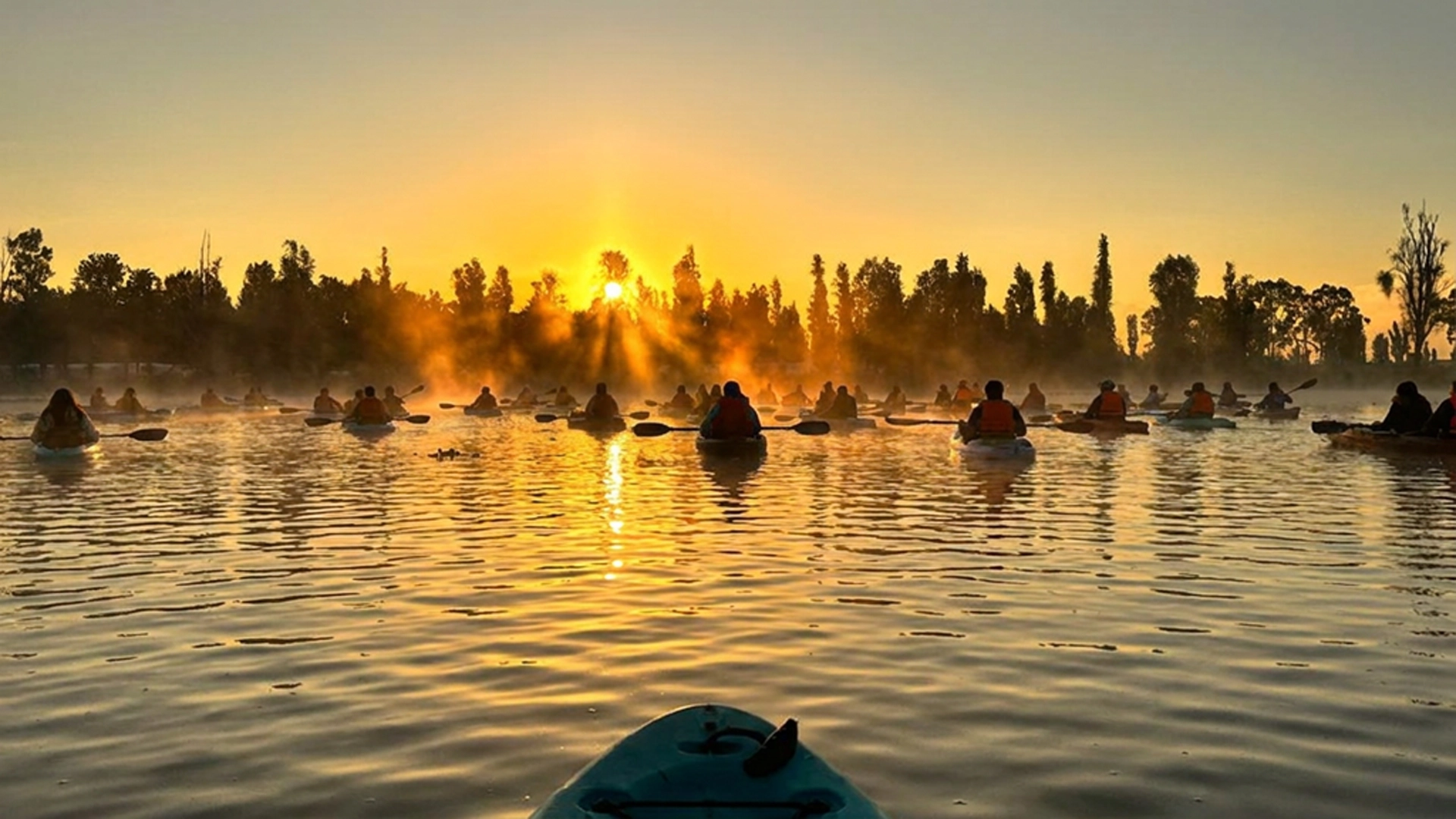
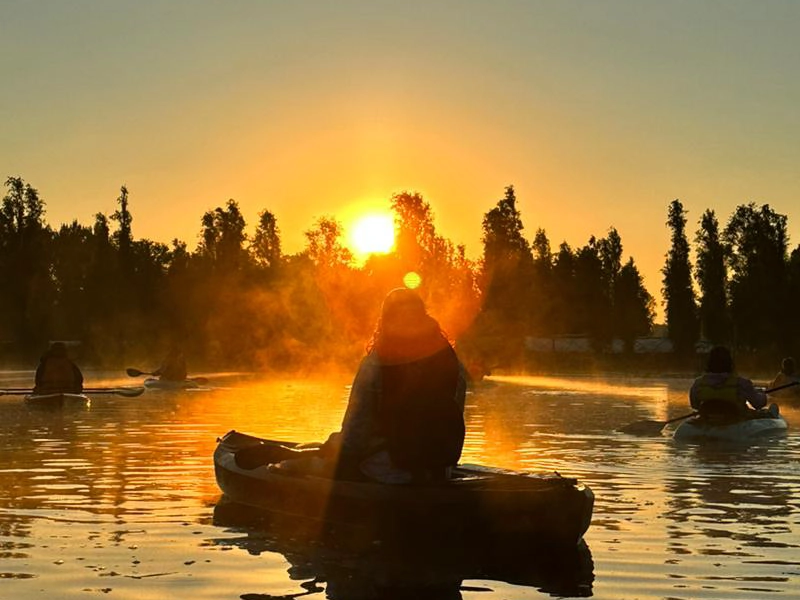
Sunrise on the quiet canals before the crowds arrive. Small group. Relaxed pace. A route through the chinampas that most visitors never reach because their trajinera driver does not know the way, or does not bother. The sound of water and birds instead of speakers. Enough time to actually look at the place you are in.
This is the version worth having. No itinerary pressure, no performance. The kind of morning you end up talking about on the trip home because you were actually present for it.
Trajinera: If You Want the Party
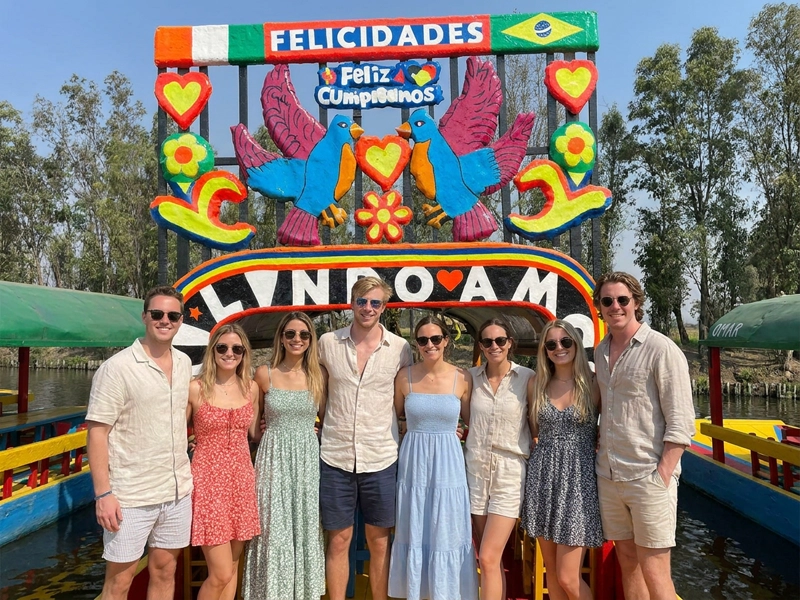
The trajinera party version of Xochimilco is genuinely fun. We are not against it. But if you are going to do it, do it properly. Half-measures produce the worst of both worlds.
Hire a mariachi or banda for your boat. Not optional. The penny-saving move of listening to music drifting from another trajinera sounds fine in theory. It is not the same. You lose the energy, the atmosphere, and the chance to discover new music played live a few feet from your face. That is the version people remember for years.
You can also bring a speaker if you want, or better yet rent one on site and run your own playlist. A real option if your group has a sound in mind and wants the canal to yourselves. Just know: nothing beats live music on the water. Nothing.
| Kayak | Trajinera | |
|---|---|---|
| Best for | Nature, quiet, first timers | Groups, celebrations, energy |
| Time of day | Sunrise, early morning | Afternoon, Sunday |
| Canals reached | All of them | Main routes only |
| Wildlife | Herons, egrets, possibly axolotl | Limited |
| Music | Birds | Hire a mariachi. Seriously. |
| Our take | The version most people miss | Do it right or not at all |
Getting There
Xochimilco is in the south of the city, about an hour from Juárez by Uber depending on traffic. The metro option: Line 2 to Tasqueña, then the Tren Ligero and a local bus. Takes longer but avoids traffic and gives you a proper cross-city experience.
Common questions
Kayak or trajinera — which is better?
They are completely different experiences. Kayak gives you quiet canals, chinampas, and wildlife that trajineras cannot reach. Trajinera is social and festive. Neither is better. They serve different moods. This guide breaks down when to choose each.
What is the best time to visit Xochimilco?
Sunrise on weekday mornings for the quiet experience. Sunday afternoons for the trajinera party.
What is a chinampa?
Ancient floating garden islands built from lake sediment, anchored by roots and reeds. The Aztec technique that turned the Xochimilco canals into one of the most productive agricultural systems in the pre-Hispanic world. Some still function as working farms today.
Can you see axolotls in Xochimilco?
The axolotl is endemic to Xochimilco and exists nowhere else in the wild. They are critically endangered and rarely seen on the surface, but they are in those canals. Knowing that changes how you experience the place.
How do you get to Xochimilco from the center?
About an hour from Juárez by Uber. By metro: Line 2 to Tasqueña, then the Tren Ligero and a local bus. Weekday mornings for kayak. Sunday afternoons for trajinera.
Do I need to hire a mariachi for the trajinera?
If you want the real experience, yes. Listening to music from another boat is not the same. You lose the energy and the atmosphere. Hire one for your boat, or bring a speaker. Half-measures produce the worst of both worlds.
Read the guide.
Then go.
Wanderlust District guests get a special price on the kayak tour. Ask us the night before and we will sort the details.